
INTEGRATION OVER FRAGMENTATION
Orthopedic care is at a crossroads.
Across healthcare, we’re seeing a clear shift toward integrated, patient-centered models—approaches that prioritize continuity, communication, and long-term outcomes over isolated interventions. Yet many orthopedic systems still operate in silos, leaving patients and providers navigating fragmented care paths that don’t fully support how the body actually heals and adapts.
At Structural Elements®, we believe the future of orthopedic wellness depends on integration over fragmentation.
THE PROBLEM WITH SILOED CARE
Traditional orthopedic models often divide care into disconnected phases:
- Pain relief happens in one setting
- Rehabilitation occurs somewhere else
- Movement, recovery, and performance are treated as optional or separate
This fragmentation creates gaps; gaps in communication, gaps in outcomes, and gaps in patient understanding. Patients are left asking, “What comes next?” Providers are left coordinating across systems that were never designed to work together.
In a healthcare landscape increasingly focused on value-based care, outcomes-driven models, and whole-person health, these silos no longer make sense.
CARE SHOULD WORK AS A SYSTEM
The human body doesn’t operate in isolated parts, and care shouldn’t either.
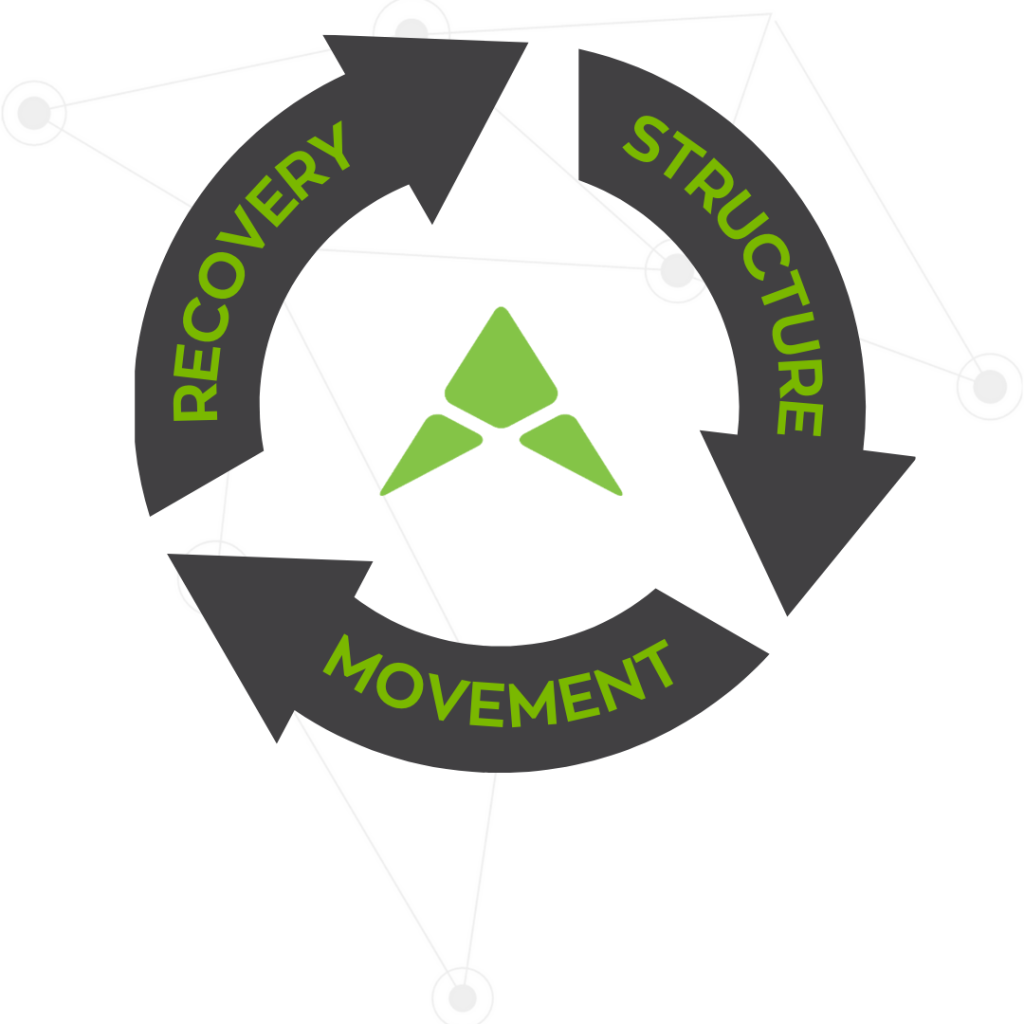
Modern orthopedic wellness requires a systems-based approach. One that considers structure, movement, recovery, and performance as interconnected elements of a single care pathway. When these components communicate, outcomes become clearer, more durable, and more meaningful.
At Structural Elements®, integration isn’t an add-on. It’s the foundation.
Our model connects:
- Structural assessment and treatment
- Movement-based services that restore capacity
- Recovery and performance support that enhances adaptation
Each phase builds on the last, creating continuity rather than handoffs. This approach aligns with broader healthcare trends emphasizing coordinated care, functional movement, nervous system regulation, and long-term resilience.
WHY INTEGRATION IMPROVES OUTCOMES
When care is integrated:
- Patients understand why they’re doing what they’re doing
- Providers work within a shared framework instead of in isolation
- Progress feels intentional, not reactive
Rather than chasing symptoms, integrated care addresses patterns: how alignment, movement quality, recovery capacity, and lifestyle factors influence one another over time.
This is how orthopedic care evolves from episodic treatment to sustainable wellness.
A NEW STANDARD FOR ORTHOPEDIC WELLNESS
As healthcare continues to evolve toward personalization, prevention, and performance, integration is no longer optional, it’s essential.
Structural Elements® was built to meet this moment. By designing care as a system rather than a series of appointments, we’re redefining what orthopedic wellness looks like and how it works.
Integration over fragmentation isn’t just a philosophy.
It’s a higher standard of care.