
BUILDING A STRONG FOUNDATION: THE ROLE OF THE PELVIS IN INJURY PREVENTION
The pelvis serves as the body’s central hub, linking the upper and lower halves in a delicate balance of stability and mobility. When properly aligned, it provides a strong foundation for efficient movement and reduces the risk of injury. However, misalignment in the pelvis can create compensatory patterns that lead to pain, dysfunction, and decreased performance. By understanding and addressing pelvic alignment, core strength, and movement imbalances, you can build a foundation for longevity in movement and injury prevention.
EVALUATING PELVIC ALIGNMENT
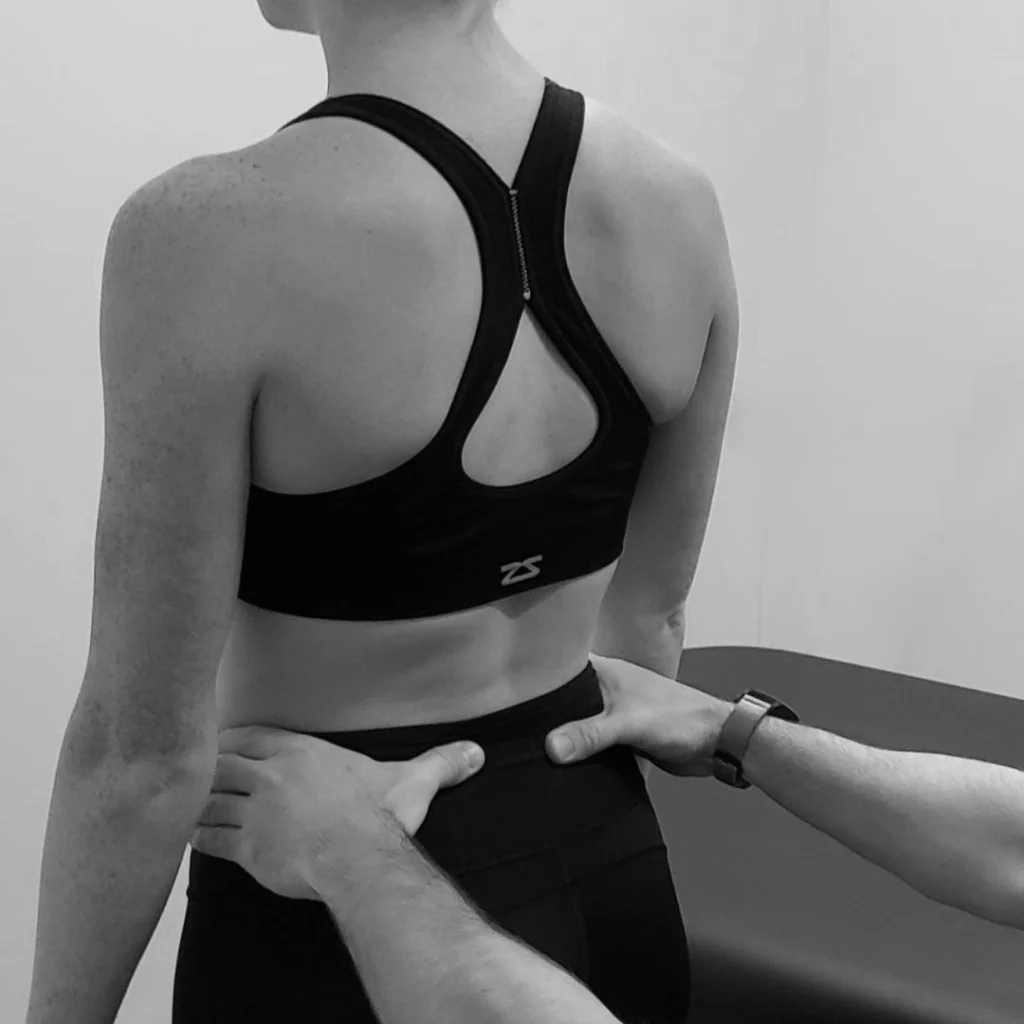
Before making any changes to your training or movement patterns, it’s essential to assess your pelvic alignment. Common misalignments include:
- Anterior Pelvic Tilt: The pelvis is rotated forward, often causing excessive lumbar lordosis (arching of the lower back) and tight hip flexors.
- Posterior Pelvic Tilt: The pelvis is rotated backward, flattening the lower spine and often leading to poor glute activation.
- Lateral Pelvic Tilt: One side of the pelvis sits higher than the other, which can contribute to asymmetries in gait and movement patterns.
To evaluate your alignment, stand in front of a mirror or seek professional assessment from a movement specialist who can identify compensations and imbalances.
STRENGTHENING CORE MUSCLES
A strong core is critical for stabilizing the pelvis and reducing strain on surrounding joints. Core training should focus on:
- Deep Core Activation: Engage the transverse abdominis (TVA) and pelvic floor muscles through exercises like dead bugs and diaphragmatic breathing.
- Anti-Rotation Exercises: Movements like Pallof presses and bird dogs enhance core stability and resist unwanted motion in the pelvis.
- Glute Engagement: Since the glutes play a key role in pelvic stabilization, exercises like hip bridges and clamshells can improve function and reduce compensations.
By strengthening the core from the inside out, you can create a stable base that enhances movement efficiency and injury resilience.
INCORPORATING UNILATERAL MOVEMENTS
Unilateral exercises—movements performed on one side of the body at a time—can help reveal and correct imbalances that contribute to pelvic instability. Some effective unilateral exercises include:
- Lunges: Strengthen the legs individually while challenging balance and coordination.
- Single-Leg Deadlifts: Target the posterior chain and improve hip stability.
- Step-Ups: Enhance lower-body strength and functional movement patterns.
These movements train the body to work in a more balanced and coordinated manner, reducing the risk of overuse injuries and asymmetries.