
MASTERING RECOVERY: THE SECRET TO PERFORMING BETTER TOMORROW
Recovery is where the magic happens. It’s the period when the body repairs, adapts, and grows stronger in response to training and daily activity. Without proper recovery, even the most well-structured training regimen will fall short, leading to fatigue, decreased performance, and increased injury risk. By prioritizing key recovery practices, you can optimize your body’s ability to perform at its best, day after day.
KEY RECOVERY PRACTICES: PRIORITIZE SLEEP
One of the most overlooked yet crucial elements of recovery is sleep. Deep, restorative sleep allows the body to:
- Repair muscle tissue and replenish energy stores.
- Regulate hormones critical for performance and recovery.
- Enhance cognitive function, focus, and decision-making.
To optimize sleep quality:
- Maintain a consistent sleep schedule.
- Limit blue light exposure before bedtime.
- Create a relaxing pre-bed routine to signal the body to wind down.
UTILIZE ACTIVE RECOVERY
- Walking: Low-impact movement encourages blood flow and helps flush metabolic waste.
- Light Stretching: Improves flexibility and releases tension in tight muscles.
- Yoga, Gentle Pilates, or Mobility Drills: Enhance joint health and improve range of motion.
Incorporating these low-intensity activities into rest days can improve overall recovery without adding stress to the body.
INCORPORATE RECOVERY TOOLS
Modern recovery tools can complement natural recovery processes and help reduce inflammation, alleviate muscle soreness, and enhance circulation. Some of the most effective tools include:
- Compression Boots: Aid in lymphatic drainage and improve circulation, reducing muscle fatigue.
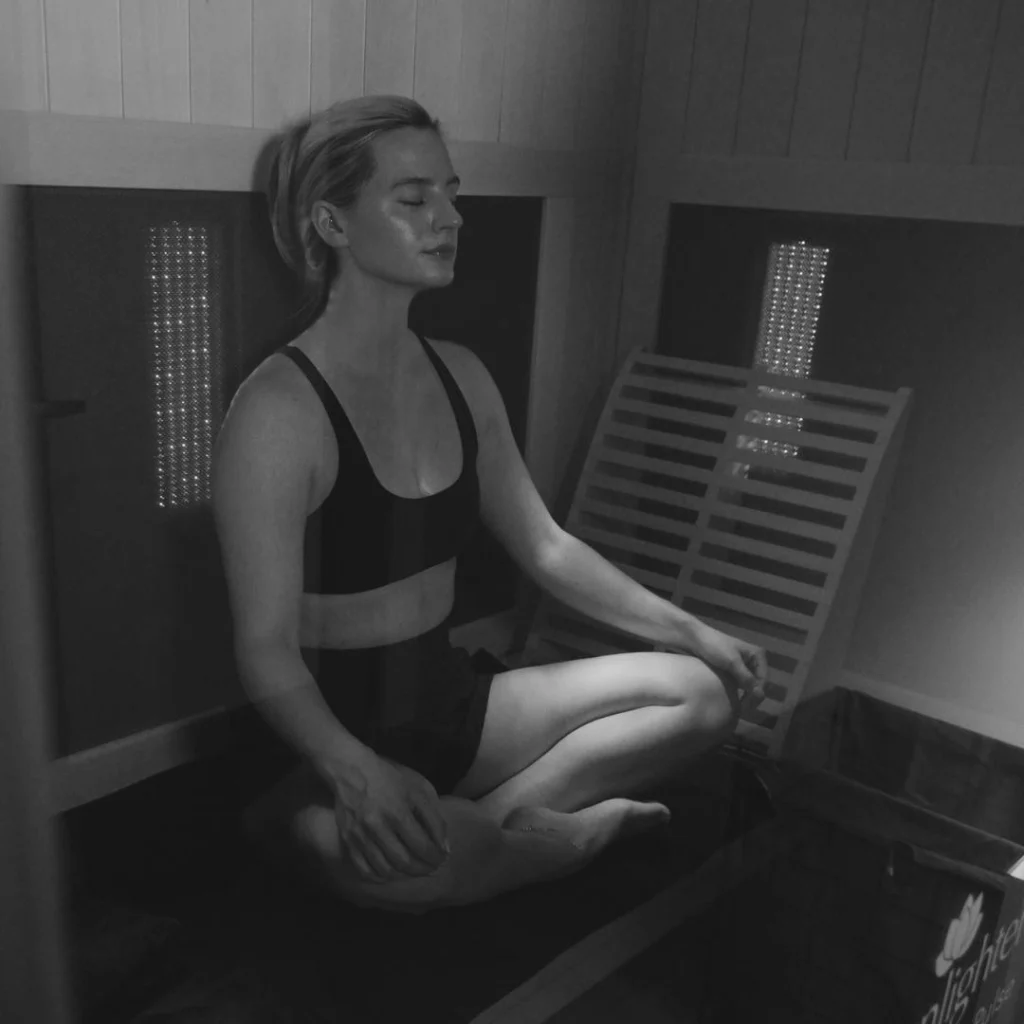
- Infrared Saunas: Promote detoxification, relaxation, and increased blood flow to aid muscle recovery.
- Massage and Myofascial Release: Techniques like foam rolling or manual therapy can reduce muscle tension and improve mobility.
Strategically integrating these tools into your routine can amplify recovery benefits and keep your body primed for performance.
OPTIMIZE RECOVERY TO UNLOCK PEAK PERFORMANCE
Training breaks the body down—recovery builds it back up. By prioritizing sleep, incorporating active recovery, and leveraging advanced recovery tools, you create an environment where adaptation and growth thrive. Recovery isn’t a passive process; it’s an active investment in your performance, longevity, and overall well-being.
Optimize your recovery today to perform better tomorrow.
HEALTHY FASCIA, HEALTHY MOVEMENT: THE KEY TO FLUID AND PAIN-FREE MOTION
Fascia plays a vital role in how we move and feel. This connective tissue supports, stabilizes, and protects the body’s structures.
To keep fascia healthy:
- Stay Hydrated: Fascia needs water to remain pliable and functional.
- Move Dynamically: Vary your movements to keep fascia supple and responsive.
- Schedule Regular Maintenance: Work with a therapist to release adhesions and maintain optimal function.
Healthy fascia supports efficient, pain-free movement and overall well-being.
BREATHING LIFE INTO RECOVERY: HOW THE AUTONOMIC NERBVOUS SYSTEM SUPPORTS HEALING
Breathwork is a powerful tool for recovery. By influencing the autonomic nervous system (ANS), you can shift your body into a state of repair and relaxation.
Practice these techniques:
- Diaphragmatic Breathing: Focus on slow, deep breaths that expand the belly.
- Box Breathing: Inhale for four counts, hold for four, exhale for four, and hold again for four.
- Create a Routine: Use breathwork before bed or after intense activity to enhance recovery.
Harness the power of your breath to recover faster and more effectively.
THE POWER OF SMALL WINS: STAYING CONSISTENT WITH YOUR HEALTH GOALS
Consistency is the key to long-term success. Small wins build momentum and keep you motivated.
Focus on:
- Setting Micro-Goals: Break larger goals into manageable steps.
- Celebrating Successes: Acknowledge even the smallest achievements to stay motivated.
- Building Habits: Incorporate healthy behaviors into your daily routine until they become second nature.
Small, consistent actions lead to big, lasting results.
LIVING FOR WHAT MOVES YOU: STAYING ACTIVE AND INSPIRED YEAR-ROUND
Movement should be something you enjoy, not a chore. Finding activities that excite you can keep you active and engaged.
Try this:
- Explore New Activities: Experiment with different forms of movement to find what resonates.
- Set Personal Challenges: Aim to improve your performance in something you love, whether it’s running, cycling, or hiking.
- Connect with Others: Join a community or group that shares your passion for movement.
When you’re inspired by what moves you, staying active becomes effortless.
MINDSET MATTERS: BUILDING RESILIENCE TO STAY THE COURSE
A strong mindset is the foundation of sustained health and performance. Resilience allows you to navigate challenges without losing focus.
Strengthen your mindset by:
- Practicing Gratitude: Reflect on what’s going well in your health journey.
- Reframing Setbacks: View obstacles as opportunities to learn and grow.
- Staying Present: Focus on what you can control in the moment rather than worrying about the future.
A resilient mindset empowers you to stay committed to your goals and thrive in the face of adversity.
Ready to take the next step? Visit a Structural Elements® clinic to explore how our integrated approach can support your journey to optimal health.